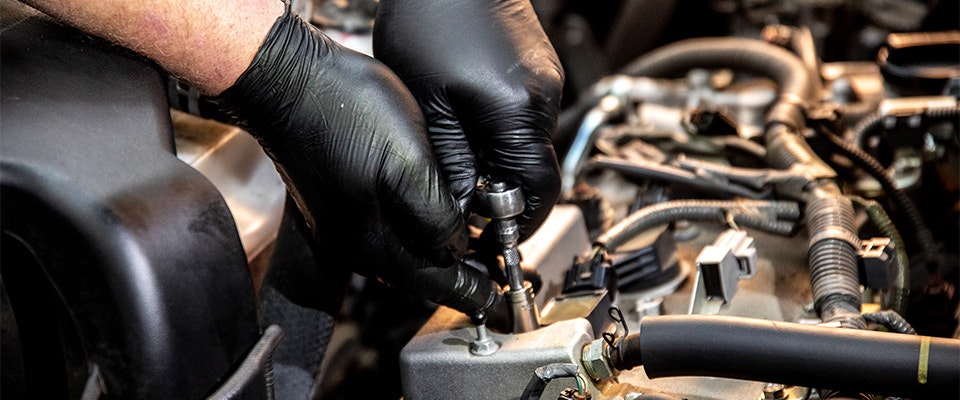
Hero image

Fuel Quality in Australia:

What It Means for Your Vehicle in Geraldton

Fuel quality in Australia has become an increasingly important topic for vehicle owners, particularly with recent supply pressures and temporary changes to national standards. While all fuel sold in Australia must meet strict regulations, real-world conditions—such as supply shortages, storage practices and temporary regulatory adjustments—can impact the quality of fuel reaching your vehicle.

For drivers in Geraldton, understanding how fuel quality affects modern engines—especially diesel—can help prevent costly repairs and ensure long-term reliability.

Fuel Quality in Australia: What It Means for Your Vehicle in {{{suburb}}}

Australia’s Fuel Standards – Strong, But Not Perfect

Australia operates under the Fuel Quality Standards Act, which regulates sulphur levels, contamination limits and fuel performance characteristics.

In recent years, Australia has moved toward cleaner fuel standards, including ultra-low sulphur diesel (typically 10ppm), which is essential for modern emissions systems like DPFs (Diesel Particulate Filters).

However, due to global supply challenges, there have been temporary relaxations in fuel standards, allowing slightly higher sulphur levels and broader import options to maintain supply.

This doesn’t mean fuel is “bad”—but it does mean consistency and quality can vary more than many drivers realise.

What “Lower Quality Fuel” Actually Means

When people talk about lower quality fuel in Australia, they are usually referring to one or more of the following:

1. Higher Sulphur Content
Sulphur is one of the biggest differentiators in fuel quality. Higher sulphur levels can:

  • Reduce the effectiveness of emissions systems
  • Increase engine deposits over time
  • Contribute to oil contamination and wear

Australia has historically lagged behind global markets in reducing sulphur levels, although this is improving.

2. Reduced Lubricity (Diesel Engines)
Modern diesel fuel is cleaner, but that comes with a trade-off. Removing sulphur also removes natural lubricating compounds, which can:

  • Increase wear in high-pressure fuel pumps
  • Accelerate injector wear
  • Make engines more sensitive to contamination

This is particularly relevant for common rail diesel engines, which operate at extremely high pressures and rely heavily on fuel quality for lubrication.

3. Water Contamination
Even fuel that meets standards can contain small amounts of water due to:

  • Storage tank condensation
  • Transport and handling
  • Poor fuel storage practices

Water in diesel is especially problematic, leading to:

  • Injector damage
  • Fuel system corrosion
  • Microbial growth (diesel “bacteria”)

4. Supply Chain Variability
Australia imports a significant portion of its fuel. During supply disruptions:

  • Fuel may be sourced from different regions
  • Quality consistency can vary
  • Blending practices may differ

Recent industry warnings have highlighted that inconsistent fuel quality can lead to blocked filters, reduced performance and engine damage.

Why Diesel Vehicles Are Hit Hardest

Diesel engines are particularly sensitive to fuel quality—especially modern vehicles.

High-Pressure Injection Systems
Modern diesel systems operate at extremely high pressures, meaning even minor contamination can cause:

  • Injector failure
  • Pump damage
  • Reduced efficiency

DPF and Emissions Systems
Diesel vehicles rely on complex emissions systems that are sensitive to fuel quality:

  • Higher sulphur fuels can shorten DPF life
  • Increased soot production leads to more frequent regenerations
  • Blockages become more likely over time

Tighter Tolerances
Today’s diesel engines are engineered for efficiency and emissions compliance, which means:

  • They are less tolerant of poor fuel quality than older engines

Real-World Impact on Vehicles in Geraldton

At Burney's Auto Repairs, we are seeing the real effects of fuel quality issues across a range of vehicles, including:

  • Blocked fuel filters from contaminated diesel
  • Injector wear and failure in common rail systems
  • Reduced fuel economy due to poor combustion
  • Hard starting or rough running
  • Increased servicing requirements

These issues often develop gradually, making them easy to overlook until they become expensive problems.

How Fuel Quality Impacts Servicing Intervals

Lower or inconsistent fuel quality doesn’t just affect performance—it directly impacts how often your vehicle needs servicing. You may need:

  • More frequent fuel filter replacements
  • Earlier injector cleaning or servicing
  • Shorter engine oil intervals (due to contamination)
  • More regular diagnostics and system checks

For diesel vehicles especially, preventative maintenance becomes critical.

How Burney's Auto Repairs Helps Protect Your Vehicle

At Burney's Auto Repairs in Geraldton, we tailor servicing to suit Australian conditions and fuel realities. We don’t just follow standard service schedules—we adjust based on how vehicles are actually used and the conditions they operate in. Our approach includes:

  • Thorough fuel system inspections
  • Monitoring for early signs of contamination or wear
  • High-quality fuel filter replacement
  • Advice on fuel usage and preventative care
  • Advanced diagnostics for modern diesel systems

What You Can Do as a Driver

While fuel quality is largely out of your control, there are practical steps you can take:

  • Stick to reputable fuel stations with high turnover
  • Avoid running your tank very low (reduces contamination risk)
  • Service your vehicle on time—or earlier if needed
  • Pay attention to early warning signs like rough running or reduced performance

Observe Your Regular Service Schedule

Fuel in Australia is regulated—but that doesn’t mean it’s always consistent.

With ongoing supply challenges, evolving standards and the demands of modern engines, fuel quality is playing a bigger role than ever in vehicle reliability—especially for diesel vehicles.

Regular servicing is no longer just about maintenance—it’s about protection.

If you want to keep your vehicle performing at its best and avoid costly fuel-related issues, the team at Burney's Auto Repairs in Geraldton is here to help. Book a Car Service today and ask us for advice on the best way to protect your vehicle and minimise fuel usage...

Related articles

Thumbnail for What is log book service
Article
What is log book service

Every car is different and the agenda for each service changes according to the schedule, which is why each vehicle is issued with a log book. While you obviously need to find availability in your budget and schedule, don't delay too long because...

Read more
Thumbnail for Is keeping your cool costing you fuel?
Article
Is keeping your cool costing you fuel?

Keep your cool with less fuel this summer with an Air Conditioning Service in Geraldton from Burney's Auto Repairs…

Read more
Thumbnail for Is regular service required for diesel engines?
Article
Is regular service required for diesel engines?

Understanding the importance of regular diesel engine service for your vehicle's optimal performance. Recognise warning signs, avoid potential risks, and learn how consistent maintenance can boost the life of your diesel engine...

Read more